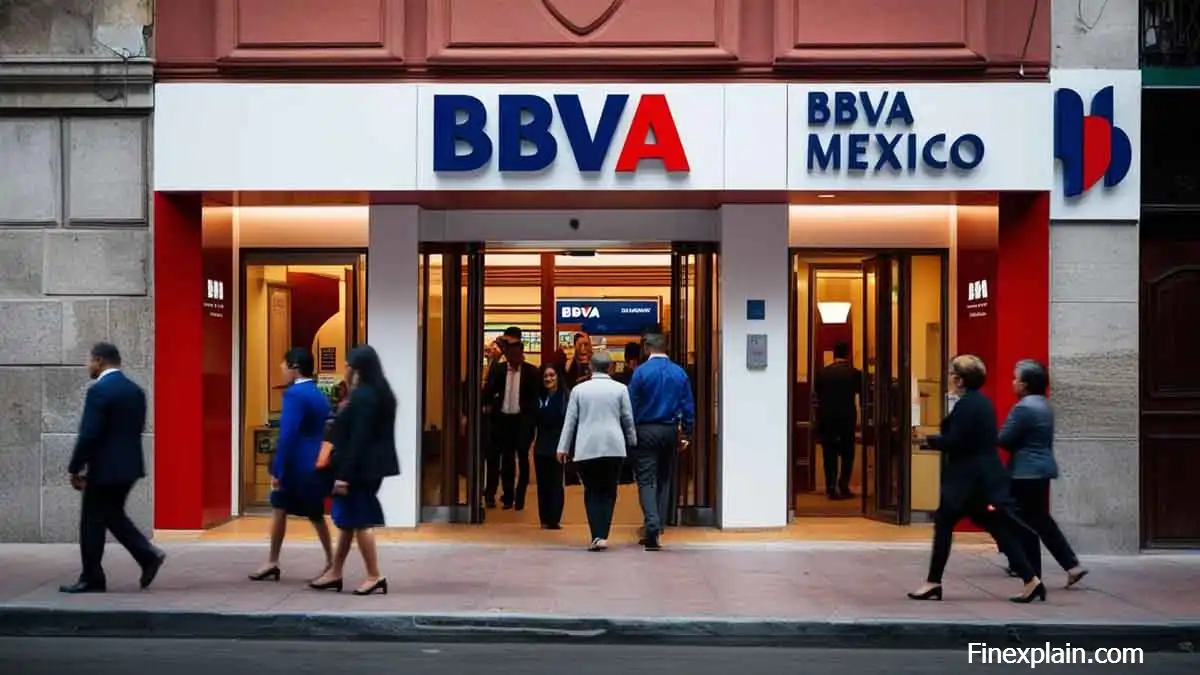
If you’ve recently discovered that your BBVA México (formerly Bancomer) account is unexpectedly blocked, you’re not alone. Many expats, digital nomads, and foreign residents face sudden account restrictions without clear explanation. This guide helps you understand the most likely reasons, what to do next, and how to prevent future issues.
Top Reasons BBVA México May Block Your Account
- Unusual Transaction Patterns — Large, rapid, or international transfers that deviate from your normal behavior can trigger fraud alerts.
- Incomplete or Outdated KYC Documentation — Missing proof of address, expired ID, or outdated residency status (e.g., expired FM3/FM2/Residente Temporal/Permanente).
- Suspicious Activity Flags — Multiple login attempts from unfamiliar devices, frequent cash deposits over MXN 15,000, or links to high-risk entities.
- Non-Compliance with SAT Reporting — Failure to file annual tax declarations (e.g., for foreign income or investments) may prompt regulatory holds.
- Account Inactivity — Dormant accounts (no transactions for 12+ months) may be frozen or closed automatically.
What to Do Immediately After Your Account Is Blocked
- Verify the Block Type — Log in via BBVA México’s app or online banking. A message like “Cuenta restringida” or “Operaciones suspendidas” confirms the restriction. Note whether deposits, withdrawals, or all operations are affected.
- Contact Customer Service Promptly — Call BBVA’s international support line (see contacts below). Avoid generic call centers — ask to be transferred to Atención a Personas Extranjeras or Unidad de Cumplimiento (Compliance Unit) if needed.
- Prepare Required Documents — Gather:
- Valid passport + Mexican immigration document (e.g., Residente Permanente card)
- Proof of address (no older than 3 months: utility bill, bank statement, or rental agreement)
- Source of funds documentation (e.g., employment letter, freelance contracts, tax filings)
- Schedule an In-Person Appointment — Many blocks require identity validation at a branch. Use BBVA’s app to book a cita en sucursal — branches in Polanco, Santa Fe, or near international zones are often more experienced with foreign clients.
Many expats report resolution within 72 hours when documentation is complete and submitted in person. Delays often stem from mismatched names (e.g., anglicized vs. legal name) or expired immigration status — double-check everything before your appointment.
How to Prevent Future Account Restrictions
- Update KYC Data Annually — Even if nothing changes, proactively renew proof of address and immigration status 30 days before expiry.
- Avoid “Red Flag” Transactions — Split large transfers; declare cash deposits over MXN 10,000 in advance; avoid cryptocurrency-to-fiat conversions through unverified channels.
- Maintain Regular Activity — A small monthly transaction (e.g., utility payment or transfer to savings) keeps your account active.
- Notify BBVA Before Travel or Major Changes — If relocating, changing jobs, or expecting large inbound transfers (e.g., property sale), send a brief notice via secure messaging in the app.
BBVA México Official Contacts for Account Issues
Customer Service (English Support Available):
☎️ Mexico: +52 55 5226 2663
☎️ International: +1 877 233 4112 (U.S. & Canada toll-free)
🌐 BBVA At Home App: Available 24/7 for secure messaging and appointment booking
In-Person Assistance:
Visit any BBVA branch with appointment confirmation and original documents. Priority service is often available at branches in Mexico City (Reforma 333), Monterrey (Valle Oriente), or Cancún (Av. Tulum).
Final Thoughts: Proactive Banking Saves Time and Stress
A blocked BBVA México account is rarely permanent — but timely, correct action is crucial. Most restrictions are automated responses to regulatory or risk-management protocols, not personal accusations. By staying ahead of documentation deadlines, understanding local banking norms, and building a rapport with your branch, you significantly reduce the risk of disruption.
Remember: Mexican financial institutions operate under strict anti–money laundering (AML) and counter–terrorist financing (CTF) frameworks (Ley General de Instituciones y Sociedades Financieras and Ley Federal para la Prevención e Identificación de Operaciones con Recursos de Procedencia Ilícita). Compliance isn’t bureaucracy — it’s your shield. Treat your bank relationship like a partnership: transparent, updated, and respectful of local rules.
With the right preparation, living and banking in Mexico remains smooth, secure, and rewarding.
Share this article: